Waiting List Rubber Stamp Design Vector Review for Real Projects
As an experienced embroidery designer and product reviewer, I always look for digital design assets that not only look great on screen but also translate well into real-world applications. When I first opened the WAITING LIST Rubber Stamp Design Vector, I was immediately drawn to its clean and professional aesthetic. It carries a subtle yet assertive visual presence—ideal for adding a touch of organization or branding to various handmade and commercial projects.
A First Glance: Mood and Visual Personality
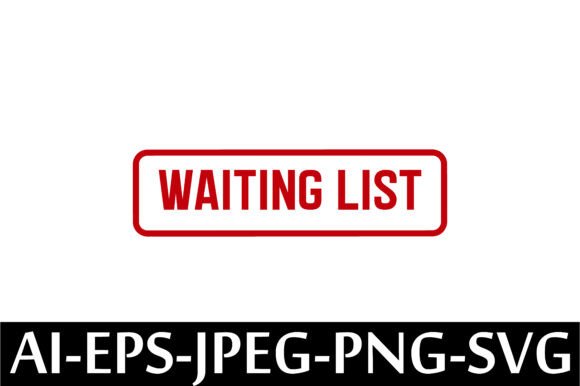
The WAITING LIST design is minimalistic in nature, with a structured layout and bold lettering that gives it a clear sense of purpose. The shape is typically rectangular or rounded-cornered, mimicking the classic appearance of a rubber stamp. This makes it feel like a functional element rather than just decorative, which is a big plus for crafters and small business owners who want their designs to communicate practicality and attention to detail.
I found the overall theme to be versatile enough to work across multiple industries—from boutique apparel to custom baby items. Its muted tone and lack of intricate detailing suggest it would perform well as a background element or as part of a layered embroidery design. The font used is crisp and legible, making it suitable for both large and medium-sized embroidery areas, depending on how it’s scaled.
Where It Shines Best
- Custom Apparel: Think tote bags, sweatshirts, or even aprons where a discreet yet informative design can add value without overwhelming the piece.
- Baby Embroidery: If you’re creating personalized baby clothes or nursery decor, this design could subtly denote a waiting list or help organize your inventory.
- Patch Work: As an embroidered patch, especially for DIY kits or small shop merchandise, the design has potential when paired with other motifs or brand elements.
- Handmade Product Branding: For Etsy sellers or handmade shop owners looking to maintain consistent branding across items, this vector offers a professional touch.
- Printable Mockups: Since it’s a graphics-based file, it works well for digital previews or mockups, helping buyers visualize the final product before purchasing.
Real-Life Application and Stitching Performance
Let’s imagine using this design on a custom sweatshirt for a local boutique. The first thing I’d check is how the stitch density affects the fabric. Because the WAITING LIST Rubber Stamp Design Vector doesn’t have overly complex patterns, it should handle most standard cotton blends without puckering or distortion. However, if the design is placed on a stretchy knit or a thin material like rayon, some caution is needed.
In terms of thread colors, the design is likely set up in black or dark tones. While this works fine on light fabrics, you’ll need to consider contrast when using it on darker materials. A good tip here is to test the design on a scrap piece of the same fabric you plan to use, adjusting the thread color if necessary to ensure visibility and clarity after stitching.
When preparing a tote bag design or holiday gift item, I’d recommend placing the Waiting List motif near the bottom corner or along a seam line. It fits well as a secondary feature rather than a focal point, making it perfect for those who want to include informational text or branding without drawing too much attention away from other elements.
Stitch Clarity and Fabric Texture
One of the key factors I consider is how the design holds up on different fabrics textures. On smooth cotton or linen, the lines remain sharp and the message is easy to read. But on textured surfaces like denim or canvas, the stitch clarity might soften slightly. That said, the simplicity of the design helps it maintain readability even under less-than-ideal conditions.
If you're planning to use this in a sweatshirt embroidery project, especially with multiple layers of fabric (like a hoodie), be sure to secure the back with adequate stabilizer. The flatness of the design allows for a neat finish, but without proper support, the stitches may not lay as smoothly.
Use With Caution: Practical Limitations
While the WAITING LIST Rubber Stamp Design Vector is a solid addition to many embroidery projects, there are certain situations where it may not be the best fit. Here are a few things to keep in mind:
- Small Hoop Sizes: The design isn’t suited for very small hoops due to the length of the text and the spacing between letters. You might end up reducing the size too much, which could affect legibility.
- Curved Surfaces: Placing this on caps or curved areas like pillow covers may cause the text to distort unless carefully adjusted with software tools that allow for arc placement.
- Dense Stitch Areas: If your main design uses heavy fill stitches or dense satin stitch areas nearby, the Waiting List graphic might get lost visually or physically beneath them.
- Frequent Washing: Since it's a simple line-style design, it might wear out faster on items that undergo regular washing, such as tea towels or children's clothing. Make sure your thread quality and stabilizer choice reflect durability needs.
Design Notes for the Craft Business Owner
Here are my top tips for integrating the WAITING LIST design into your workflow:
- Test on Scrap Fabric: Always do a trial run. Especially if you're selling finished products or digital embroidery files, seeing how the design looks post-stitch is essential.
- Review Thread Color Contrast: Ensure the thread stands out against the fabric. Darker threads on dark backgrounds won’t make the message visible.
- Confirm Hoop Size: Check the recommended hoop size in the file description. If it’s not provided, scale it down to fit within a 5x7 inch hoop for general use.
- Inspect Small Details: Look at the corners and edges of the text. They should be crisp and not bleed together when stitched.
- Use Proper Stabilizer: Even on stable fabrics, using a tear-away or cut-away stabilizer will help keep the design flat and prevent shifting during stitching.
- Check Licensing: Since it’s categorized under Freebies and Graphics, always confirm whether the design allows for commercial use before listing it in your shop or including it in digital product bundles.
Customer Reaction and Marketability
From a customer perspective, the WAITING LIST Rubber Stamp Design Vector communicates professionalism and intentionality. Whether it's on a custom patch for a maker's workshop or as part of a tote bag design for an Etsy store, the design adds a layer of credibility and personality. Buyers appreciate when handmade items or personalized gifts come with thoughtful details, and this design contributes just that.
However, overusing it or placing it inappropriately (like on a tiny embroidered tag) could reduce its effectiveness. The goal is to make it noticeable but not obtrusive. Use it sparingly and strategically to maintain a balance between function and aesthetics.
Visual Appeal and Brand Consistency
What I appreciate most about this design is how it supports brand consistency. For a small shop owner or creative entrepreneur, having a uniform style across all products is crucial. The Waiting List vector can be repeated across packaging, tags, or even as part of a printable mockup for online listings, reinforcing brand identity without being flashy.
Its neutral tone also means it can easily blend into more elaborate designs, serving as a subtle reminder of your shop's name or a callout for seasonal promotions. In a holiday embroidery project, for example, it could sit beside a festive icon to indicate a limited-time offer or waitlist availability.
Final Thoughts and Designer Recommendations
Overall, the WAITING LIST Rubber Stamp Design Vector is a practical and stylish option for those who want to add a bit of structure and professionalism to their embroidery projects. It doesn't demand center stage, but it does contribute a level of sophistication that appeals to both personal users and commercial embroiderers.
That said, treat it like any other machine embroidery design: take time to understand its limitations and strengths. Consider its role in the embroidery project—is it a primary feature or a supporting one? How will it interact with other design assets? And what kind of finished product are you aiming to create?
For hobbyists and handmade product creators, this design can elevate everyday items into something memorable. For Etsy sellers and small shop product designers, it’s a reliable tool for maintaining a cohesive look across inventory. Just remember to always test, adjust, and double-check licensing before moving into production.
If you're looking for a digital embroidery file that brings subtle branding or organization cues to your work, the Waiting List design is worth considering. But don’t forget—no matter how well-designed a vector is, its success depends on how thoughtfully it's applied in real-life stitching scenarios.